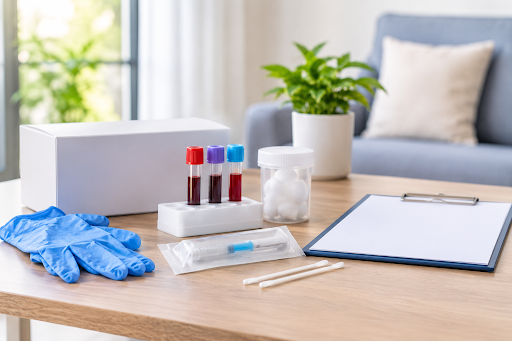
Keeping track of your health becomes easier when routine medical tests fit naturally into your daily schedule. However, travelling to a diagnostic centre, managing appointments, and waiting for sample collection can sometimes make people postpone important health checks. A blood test at home offers a convenient alternative by allowing individuals to get their samples collected without stepping out of their homes.
Regular health monitoring plays an important role in understanding changes in the body and keeping track of existing health conditions. Whether someone needs periodic blood sugar testing, cholesterol checks, thyroid assessments, or a general health evaluation, home sample collection can make the process more manageable. It combines accessibility with professional diagnostic support, helping people stay consistent with their healthcare routines.
Why Routine Health Monitoring Should Not Be Delayed
Many health conditions do not always produce noticeable symptoms during their early stages. Changes in blood sugar, cholesterol, haemoglobin, and thyroid levels may require laboratory testing for proper evaluation.
Routine blood investigations help doctors assess different aspects of health and monitor changes over time. They may also help evaluate how well an existing treatment plan is working.
Delaying recommended tests because of busy schedules or travel difficulties can interrupt regular health monitoring. Making diagnostic services more accessible can encourage individuals to follow their doctor’s recommended testing schedule and take a more proactive approach to their health.
How Home Blood Collection Makes Healthcare More Convenient
Home sample collection removes some of the practical difficulties associated with visiting a laboratory. Instead of arranging transportation and travelling to a diagnostic centre, individuals can schedule a collection appointment at their preferred location, subject to service availability.
Some important conveniences include:
- Reduced travel time: Patients do not need to make a separate journey to a diagnostic centre for routine blood sample collection.
- Flexible scheduling: Appointments can be planned around personal and professional commitments, depending on available slots.
- Greater comfort: Individuals can have their samples collected in a familiar home environment.
- Easier follow-up testing: People who require periodic investigations may find it simpler to maintain their testing schedules.
- Convenience for families: Multiple family members may be able to arrange sample collection through a coordinated appointment.
These benefits make home collection a practical option for people who want to manage routine diagnostic requirements without adding unnecessary travel to their day.
Who Can Benefit From Routine Blood Tests at Home?
Home sample collection can support different healthcare needs, particularly when visiting a diagnostic centre is inconvenient.
Working Professionals
People with demanding work schedules often find it difficult to set aside time for laboratory visits. Scheduling a home collection appointment can help them complete recommended blood tests while managing their daily responsibilities.
Senior Citizens
Older adults may experience difficulties with frequent travel, especially when they require regular health assessments. Home collection can reduce the physical effort involved in visiting a laboratory and make routine testing more accessible.
Individuals Managing Existing Health Conditions
People monitoring conditions such as diabetes or thyroid disorders may need periodic blood investigations as advised by their doctors. Home sample collection can help make these follow-up tests easier to organise.
Families With Busy Schedules
Managing healthcare appointments for several family members can become challenging. A home collection service can simplify routine testing arrangements and reduce the need for separate laboratory visits.
Common Blood Tests That Support Regular Health Monitoring
The type and frequency of blood investigations depend on an individual’s age, medical history, symptoms, and doctor’s recommendations. Some commonly prescribed tests include:
| Blood Test | What It Helps Evaluate |
| Complete Blood Count (CBC) | Red blood cells, white blood cells, haemoglobin and platelets |
| Blood Sugar Test | Blood glucose levels |
| HbA1c Test | Average blood glucose levels over approximately three months |
| Lipid Profile | Cholesterol and triglyceride levels |
| Thyroid Profile | Thyroid hormone levels |
| Vitamin D and B12 Tests | Levels of important vitamins |
| Liver Function Test | Markers associated with liver health |
| Kidney Function Test | Markers associated with kidney function |
Not every individual requires all these investigations. A healthcare professional can recommend appropriate tests based on specific health requirements.
Making Regular Health Checks Easier to Maintain
One of the biggest challenges in preventive healthcare is maintaining consistency. People may complete their initial investigations but postpone subsequent tests because of work commitments, family responsibilities, or difficulties with travelling.
Home collection can help address this challenge by making follow-up appointments easier to organise. For example, someone monitoring cholesterol levels may need repeat testing at intervals recommended by their doctor. Similarly, individuals managing blood sugar levels may require regular HbA1c investigations.
Having access to convenient collection arrangements can make these appointments less disruptive. It also helps individuals keep previous reports accessible and discuss changes in their results during medical consultations.
However, the frequency of testing should always be based on medical advice rather than convenience or a fixed schedule.
Preparing for a Blood Test at Home
Although the collection takes place at home, proper preparation remains important for obtaining meaningful test results.
Here are a few things to keep in mind before your appointment:
- Confirm fasting requirements: Certain investigations, such as some blood glucose and lipid tests, may require fasting. Check the instructions for your specific test.
- Follow medical advice: Do not discontinue prescribed medication unless your doctor specifically recommends it.
- Keep previous reports ready: Earlier results can help your doctor compare health parameters over time.
- Stay hydrated: Drink water unless your test instructions or healthcare professional advise otherwise.
- Arrange a suitable collection space: Keep a clean, comfortable and well-lit area ready for the technician.
- Confirm appointment details: Check the collection time and any specific instructions with the diagnostic centre.
Following these basic steps can make the sample collection process smoother while helping avoid unnecessary repeat testing.
Choosing a Reliable Diagnostic Centre for Home Collection
Convenience should not be the only factor when selecting a diagnostic service. The quality of sample collection, laboratory infrastructure, testing procedures and report management are equally important.
Before scheduling a home collection, consider the following:
- Professional sample collection: Check whether trained technicians handle blood sample collection.
- Laboratory facilities: Choose a diagnostic centre with appropriate equipment and established testing procedures.
- Quality checks: Understand the quality-control measures followed during sample processing.
- Report accessibility: Digital reporting through email or WhatsApp can make it easier to access and maintain medical records.
- Clear communication: The centre should provide information about test preparation, appointment availability and report timelines.
A dependable diagnostic facility helps make routine investigations more convenient while maintaining attention to testing quality and patient care.
Convenient Diagnostic Care With Saraf’s Diagnostic Centre
Managing routine health investigations becomes easier when diagnostic services are accessible and organised around everyday needs. Saraf’s Diagnostic Centre offers routine and advanced pathology services, in-house blood test processing, home visits and digital report delivery through WhatsApp and email.
With its diagnostic facilities, experienced team and home collection options, the centre supports individuals who want to manage their regular testing requirements conveniently. Its website also highlights home collection benefits for senior citizens and qualifying bills.
Whether you need a routine blood investigation or periodic testing recommended by your doctor, choosing a suitable diagnostic service can help you stay consistent with your health monitoring.
Visit the blood test service page to explore the available diagnostic services or contact Saraf’s Diagnostic Centre to enquire about home sample collection and appointment availability.
Regular health monitoring does not have to be complicated. With convenient home collection and reliable diagnostic support, taking care of your health can become a more manageable part of your routine.