Blood tests are an important part of routine health checkups and medical evaluations. They help doctors assess blood sugar levels, cholesterol, organ function, vitamin levels, and other indicators of health. However, what you eat, drink, or do before your appointment can influence certain test results. Understanding the right preparation steps can help you avoid unnecessary confusion and repeat testing. If you are visiting a pathology laboratory in Mumbai, knowing your test requirements in advance can make the process easier and more comfortable.
Whether your doctor has recommended a single investigation or a complete health checkup, following the correct instructions is essential. Here is a practical guide to preparing for your blood test.
1. Understand Whether Your Blood Test Requires Fasting
Fasting means avoiding food and certain drinks for a specified period before your blood sample is collected. Not every blood test requires fasting, so always confirm the instructions provided by your doctor or diagnostic centre.
Some tests that may require fasting include:
- Fasting blood glucose: Measures blood sugar after a prescribed period without food.
- Lipid profile: Measures cholesterol and triglycerides. Fasting may be requested in certain circumstances.
- Other metabolic tests: Some investigations may have specific preparation requirements depending on the purpose of testing.
When fasting is required, the recommended duration is commonly around 8–12 hours, although the exact period depends on the test and the instructions you receive.
Do not assume that you need to fast for every investigation. Tests such as a complete blood count generally do not require fasting when performed alone. Confirming the requirements beforehand helps you prepare correctly.
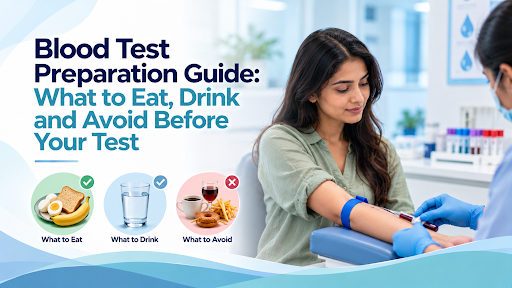
2. What Should You Eat Before a Blood Test?
If your test does not require fasting, you can usually follow your regular eating routine unless your doctor advises otherwise. There is no need to make sudden dietary changes just before a routine investigation.
If fasting is required, finish your last meal within the instructed time. A balanced meal containing vegetables, whole grains, and a suitable source of protein can be a sensible choice before the fasting period begins.
Consider these practical tips:
- Eat your usual balanced meals before starting the prescribed fast.
- Avoid unusually heavy meals if you have been advised to follow specific dietary restrictions.
- Do not skip meals unnecessarily when fasting has not been requested.
- Avoid eating during the fasting period, including small snacks and sweets.
- Follow any additional dietary instructions provided for specialised tests.
Trying to improve your results by changing your diet immediately before testing is not recommended. The aim is to obtain results that accurately reflect your health under the required testing conditions.
3. Can You Drink Water, Tea or Coffee Before Testing?
Water is generally permitted during a fasting blood test and can help you stay hydrated, making blood collection easier. However, follow any specific instructions you have received, particularly if your appointment involves additional procedures.
Tea, coffee, fruit juice, soft drinks, and other beverages may interfere with fasting requirements. Even tea or coffee without sugar may not be permitted during a prescribed fast.
Before your appointment, remember to:
- Drink plain water unless instructed otherwise.
- Avoid sugary beverages during a fasting period.
- Skip tea and coffee if you have been told to fast.
- Avoid adding milk, cream, sugar, or sweeteners to drinks during fasting.
- Ask your healthcare provider if you are unsure what is allowed.
Alcohol should also be avoided when advised, as it can affect certain measurements, including triglycerides, blood sugar, and liver-related markers.
4. Medicines, Supplements and Daily Habits to Review
Your regular medicines and supplements may influence certain blood test results. However, you should never stop prescribed medication or change its timing without medical advice.
Before the appointment, inform your doctor or laboratory staff about relevant medicines, vitamins, supplements, and herbal products you use. Some tests require specific instructions regarding medication timing.
A few other habits deserve attention:
- Exercise: Avoid unusually strenuous exercise before testing when it could affect the results. Follow test-specific instructions.
- Smoking: Ask whether you should avoid smoking before your appointment, as it can temporarily influence some measurements.
- Sleep: Get adequate rest, particularly before tests affected by stress or hormonal changes.
- Appointment timing: Some hormone tests and other investigations are best performed at a particular time of day.
These precautions help reduce avoidable variations and allow your doctor to interpret your results more accurately.
5. Preparing for Your Appointment at a Diagnostic Centre
Once you understand the preparation requirements, organise the practical details of your appointment. When searching for a pathology laboratory in Mumbai, consider the available tests, sample collection arrangements, reporting process, and accessibility.
Before leaving home, make sure you have:
- Your doctor’s prescription or test list, if applicable.
- Previous laboratory reports for comparison, if relevant.
- Information about your current medicines.
- Confirmation of the fasting duration and appointment time.
- Any documents requested by the diagnostic centre.
If travelling to a facility is difficult, ask whether home sample collection is available for your required investigation. This option can be helpful for senior citizens, people with mobility difficulties, and individuals with busy schedules.
For additional convenience, explore available home sample collection services and health checkup packages when planning your testing requirements.
6. What Happens After Your Blood Sample Is Collected?
After the sample is collected, apply gentle pressure to the puncture site as instructed by the healthcare professional. Most people can return to their normal routine shortly afterwards.
If you were fasting, you can generally eat after collection unless you have been given other instructions. Carrying a light snack may be helpful if you tend to feel hungry or weak after fasting.
Once your report is available, review the findings with your doctor. An abnormal result does not automatically mean you have a medical condition. Results must be interpreted alongside your symptoms, medical history, medicines, and other investigations.
For ongoing health monitoring, keeping previous reports can help your doctor identify changes over time and decide whether further testing is needed.
Make Every Test Count with the Right Preparation
Correct preparation is a simple but important part of reliable diagnostic testing. Confirm fasting requirements, drink water when permitted, follow medication instructions, and avoid making sudden changes to your routine. These steps can help make your appointment smoother and reduce the likelihood of having to repeat a test because preparation instructions were not followed.
For those looking for a pathology laboratory in Mumbai, Saraf’s Diagnostic Centre is a strong option to consider. It offers routine and advanced pathology services, in-house blood test processing, home sample collection, and health checkup packages. Its facilities in Vile Parle East and Andheri, along with digital report delivery options, provide convenient choices for patients seeking diagnostic services. Before booking, confirm the preparation requirements for your specific test so you can arrive informed and ready.