
As parents or grandparents grow older, health monitoring becomes a critical aspect of family life. Regular blood tests help in monitoring chronic situations, medication response, and overall health. For many older adults, travelling to a lab can be tiring or stressful, which explains why a blood test at home would be a convenient alternative.
Why home-based testing suits elderly patients
Age-related factors such as reduced mobility, joint pain, and fatigue can make repeated clinic visits a real challenge. Home sample collection allows seniors to remain in their familiar environment, thus saving them from the physical and emotional stress. It also works great for people with diabetes, heart disease, thyroid problems, or those who are recovering from illness. Families also find it easier to coordinate care when testing fits into the senior’s schedule rather than the other way around.
How the process typically works
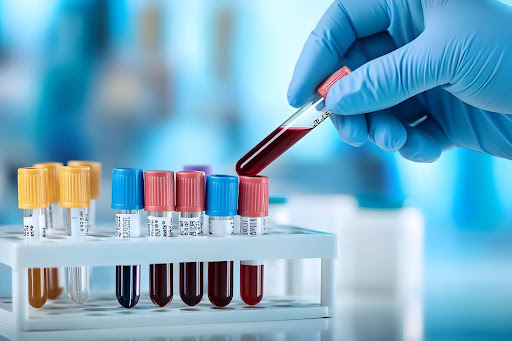
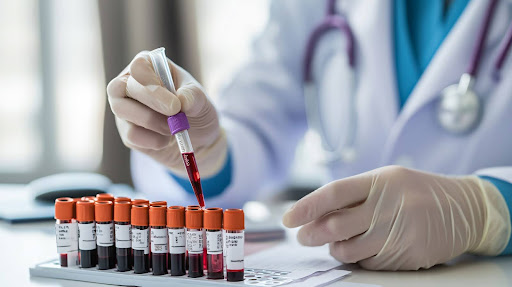
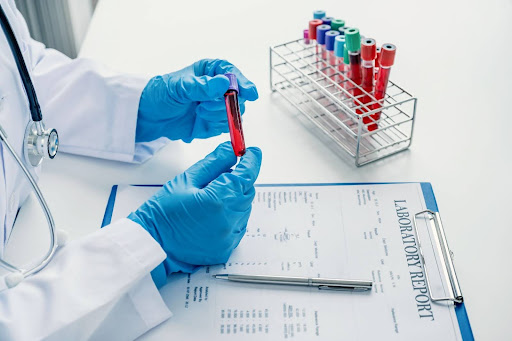
The majority of trusted diagnostic companies have a well-defined and clean working process. At the scheduled time, a skilled phlebotomist arrives, checks the patient’s identity, and collects the sample with sterile tools. The sample is then transported under controlled conditions to the laboratory for analysis. Usually, reports are sent out digitally, which is very convenient for the family to get in touch with doctors immediately.
Important things that families can expect:
- Appointment slots that suit morning or fasting requirements
- Proper identification and safety protocols
- Clear instructions before and after sample collection
- Timely and confidential report delivery
Accuracy and safety considerations
One general concern from caregivers is how home testing compares to lab visits in terms of reliability. If done by trained professionals and processed in accredited laboratories, accuracy is consistent. Sometimes, a blood test at home may lead to better results for seniors, since less stress and minimal waiting can help prevent fluctuations in some readings. Ensuring the provider follows strict quality checks and sample handling standards is crucial.
Preparing seniors for a smooth experience
Good preparation can ensure that the process is comfortable. Families can describe the process, confirm any fasting instructions if applicable, and ensure the senior is well-rested. Having access to medical histories or existing prescription medications can reduce any confusion. Reassurance is critical, particularly for seniors feeling nervous about needles or unfamiliar people.
Family involvement plays a quiet yet significant role in senior health monitoring. Simple actions like reminding elders about test schedules, reviewing reports together, and following up with doctors will help improve consistency in care. If the family stays more engaged, health checks will be less daunting for seniors and could be more purposeful long-term.
When home testing may not be ideal
While home collection is convenient, it may not be suitable in every situation. Emergency testing, highly specialized procedures, and cases requiring immediate clinical supervision are better handled in a hospital setting. The decision for when home testing is adequate and when in-lab evaluation is required should be discussed with the treating physician by the families.
Supporting senior health with informed choices
From the perspective of Saraf’s Diagnostic Center, the things that need to be prioritized for families considering a blood test at home for elderly relatives, rather than the convenience factor, are safety, accuracy, and communication. It is great if one understands the associated services, such as home blood testing, diagnostic labs near me, trusted pathology lab services, services for a preventive health check-up, along with senior citizen health check-up packages, because they facilitate the best possible, fully informed decision.